
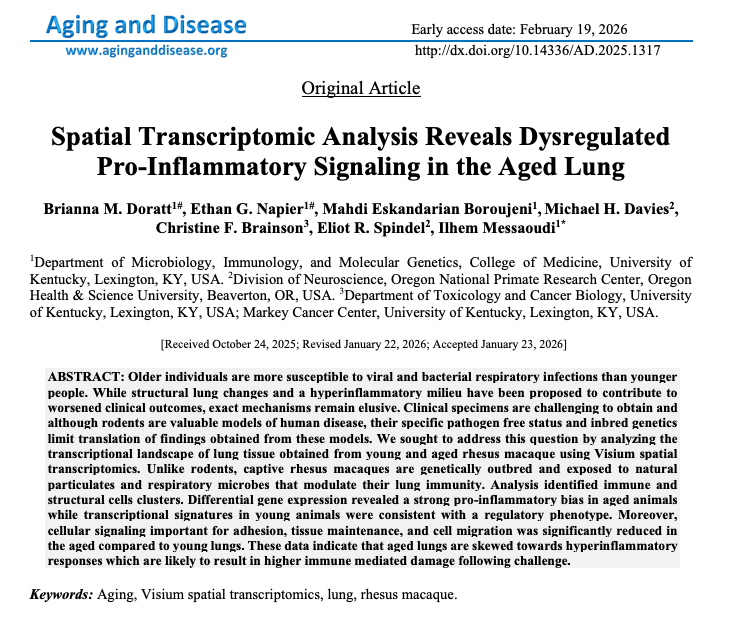
New Publication: Mapping the Aged Lung via Spatial Transcriptomics
Our paper titled “Spatial Transcriptomic Analysis Reveals Dysregulated Pro-Inflammatory Signaling in the Aged Lung” was published in Aging and Disease. Using spatial transcriptomics, this work maps region-specific inflammatory signaling in aging lung tissue, providing new insight into why older individuals are more susceptible to pulmonary disease.
February, 2026 Access article
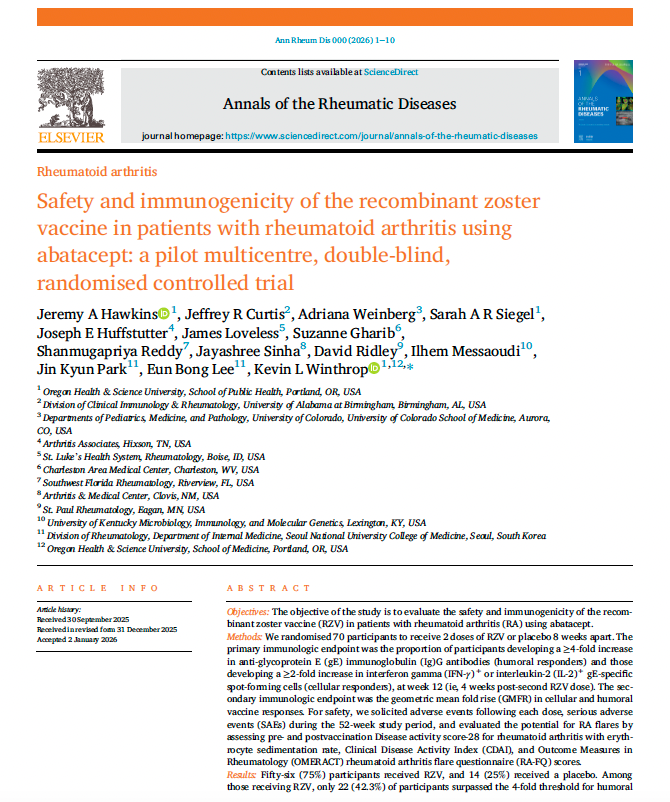
Vaccine Safety in Focus: Evaluating the Recombinant Zoster Vaccine for RA Patients
Our paper titled “Safety and immunogenicity of the recombinant zoster vaccine in patients with rheumatoid arthritis using abatacept: a pilot multicentre, double-blind, randomised controlled trial” was published in Annals of the Rheumatic Diseases. This clinical trial evaluates the safety and immune response to the recombinant zoster vaccine.
February, 2026 Access article
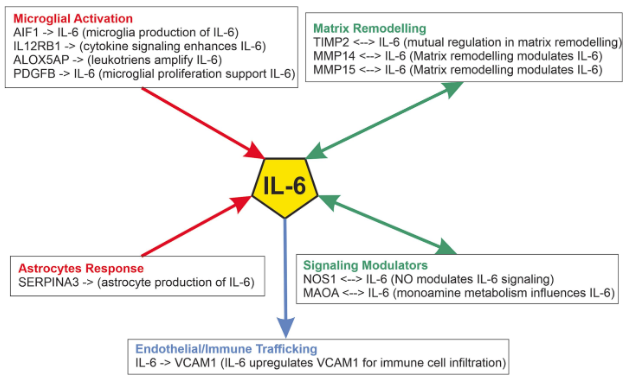
Alcohol, Immunity, and the Amygdala: Mapping Sex-Specific Shifts in Brain Signaling
Our paper titled “Chronic alcohol consumption sex-dependently affects IL-6 modulation of GABAergic synapses in the central amygdala of rhesus macaques” was published in Brain, Behavior, and Immunity. This study uncovers sex-specific differences in how chronic alcohol alters IL-6-mediated inhibitory signaling in the amygdala, with implications for understanding alcohol use disorder
February, 2026 Access article
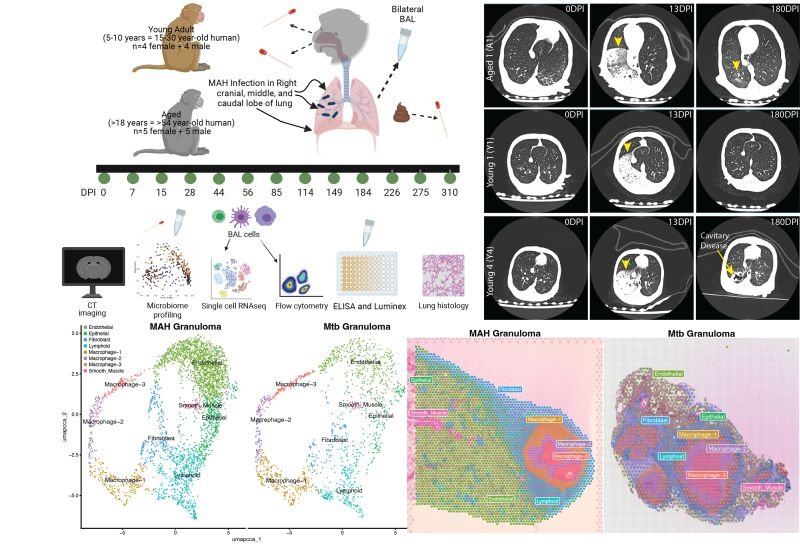
Spatial Signatures: Mapping the Cellular Architecture of NTM and TB Granulomas
Our paper titled ” Granulomatous cellular signatures in nontuberculous and tuberculous mycobacterial infections” was published in Frontiers in Microbiology. This study applies spatial transcriptomics to compare the cellular and molecular architecture of granulomas formed by nontuberculous and tuberculous mycobacteria in nonhuman primate models.
January, 2026 Access article

New Research Grant: Investigating the Role of the Gut Microbiome in Lyme Disease Recovery
Dr. Ilhem Messaoudi has been awarded a research grant from the Global Lyme Alliance (GLA) to investigate the molecular mechanisms by which Lyme disease infection and antibiotic treatment disrupt the gut microbiome and intestinal barrier function. This work will explore how Borrelia-driven gut dysbiosis may drive systemic inflammation and contribute to persistent symptoms following treatment. The findings have the potential to unlock new microbiome-based diagnostics and therapeutic approaches to improve recovery for Lyme disease patients.
December, 2025 Global Lyme Alliance Grantees
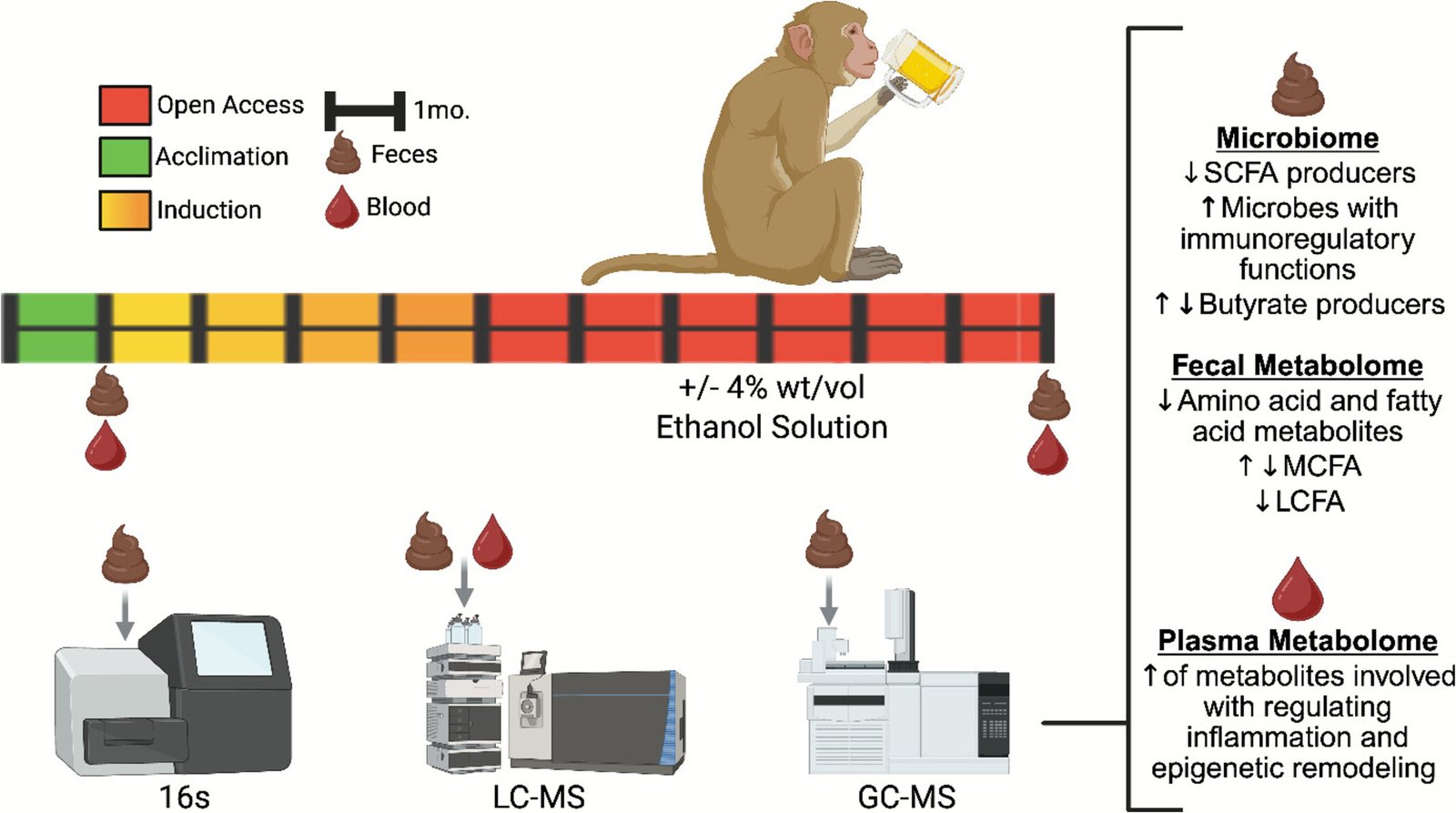
The Microbiome and Metabolites: Immediate Changes Following Alcohol Consumption
Our paper titled ” Short-Term Alcohol Consumption Is Sufficient to Disrupt Microbial Communities and the Intestinal and Circulating Metabolites in a Non-Human Primate Model” was published in the FASEB Journal. This study demonstrates that even brief alcohol exposure is enough to disrupt microbial communities and metabolite profiles, laying important groundwork for understanding early alcohol-induced immune changes.
November, 2025 Access article
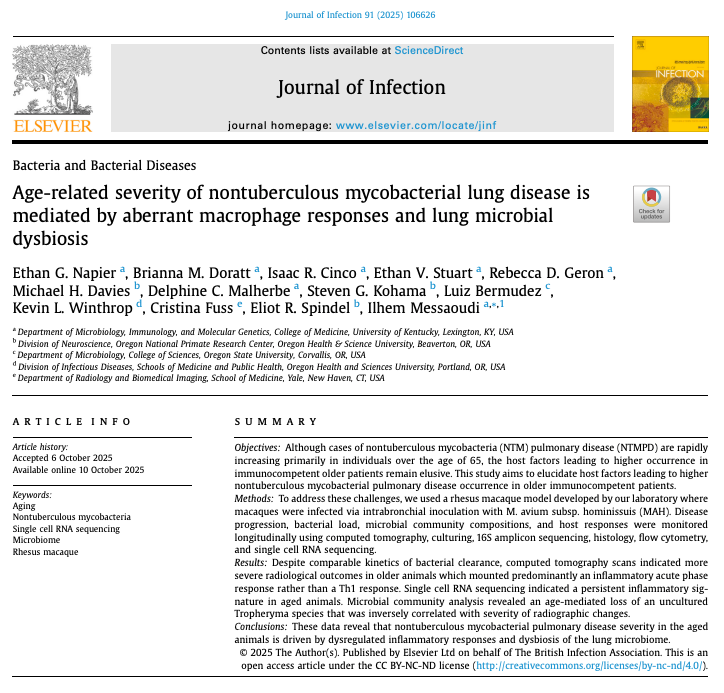
The Aging Lung: Dysbiosis and Immune Dysfunction in NTM Disease
Our paper titled “Age-related severity of nontuberculous mycobacterial lung disease is mediated by aberrant macrophage responses and lung microbial dysbiosis” was published in the Journal of Infection. This work identifies dysregulated macrophage activity and lung microbiome disruption as key drivers of increased NTM pulmonary disease severity in older individuals.
November, 2025 Access article

Grant Renewal: Targeting Immune Recovery in Alcohol Use Disorder
Dr. Ilhem Messaoudi has received a renewal of her R01 grant from the National Institute on Alcohol Abuse and Alcoholism (NIAAA/NIH) to continue investigating how chronic alcohol consumption dysregulates monocyte and macrophage function. Building on the lab’s previous work establishing that heavy drinking rewires myeloid cells toward a hyperinflammatory state with compromised antimicrobial defenses, this renewed funding will support continued use of nonhuman primate models and single-cell approaches to define the molecular and epigenetic mechanisms underlying these effects, with the goal of informing new strategies to treat immune dysfunction in people with alcohol use disorder.
September, 2025
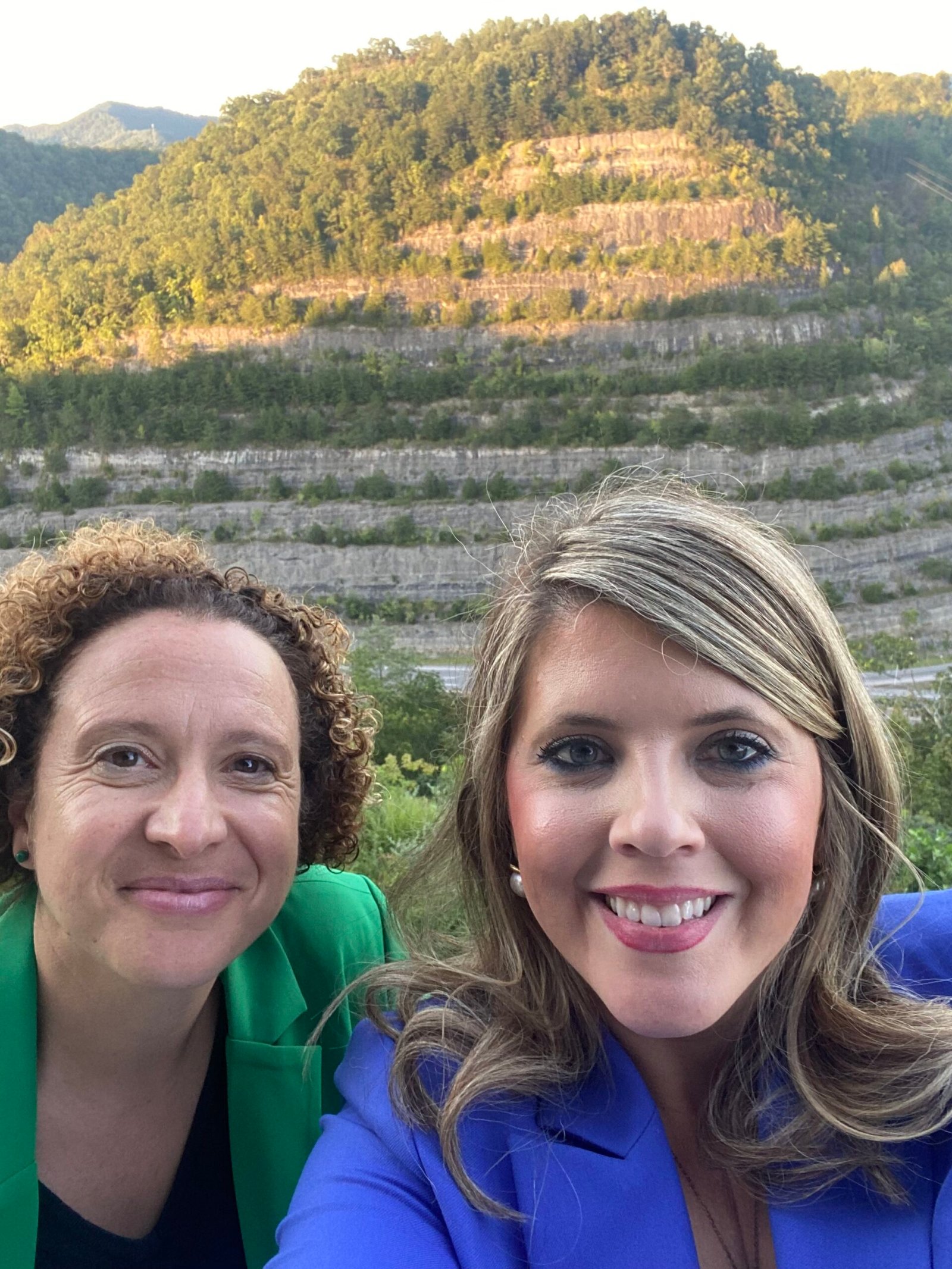
Kentucky Symposium for Maternal & Infant Outcomes
Dr. Messaoudi presents at the Kentucky Symposium for Maternal & Infant Outcomes with a talk titled “Prenatal Opioid and Hepatitis C Co-Exposure: Neonatal and Neurodevelopmental Outcomes”.
August, 2025 Kentucky Symposium for Maternal and Infant Outcomes
American Society of Virology Conference
Dr. Messaoudi presented “Mapping the Transcriptional Responses to VSV-Vectored Vaccines Against Filovirus Disease” at the American Society of Virology Conference.
July, 2025 ASV 2025

New publication!
Our paper titled “Borreliosis and doxycycline treatment disrupt gut microbiota and immune responses in nonhuman primates” was accepted in mBio.
July, 2025 Access article
New publication!
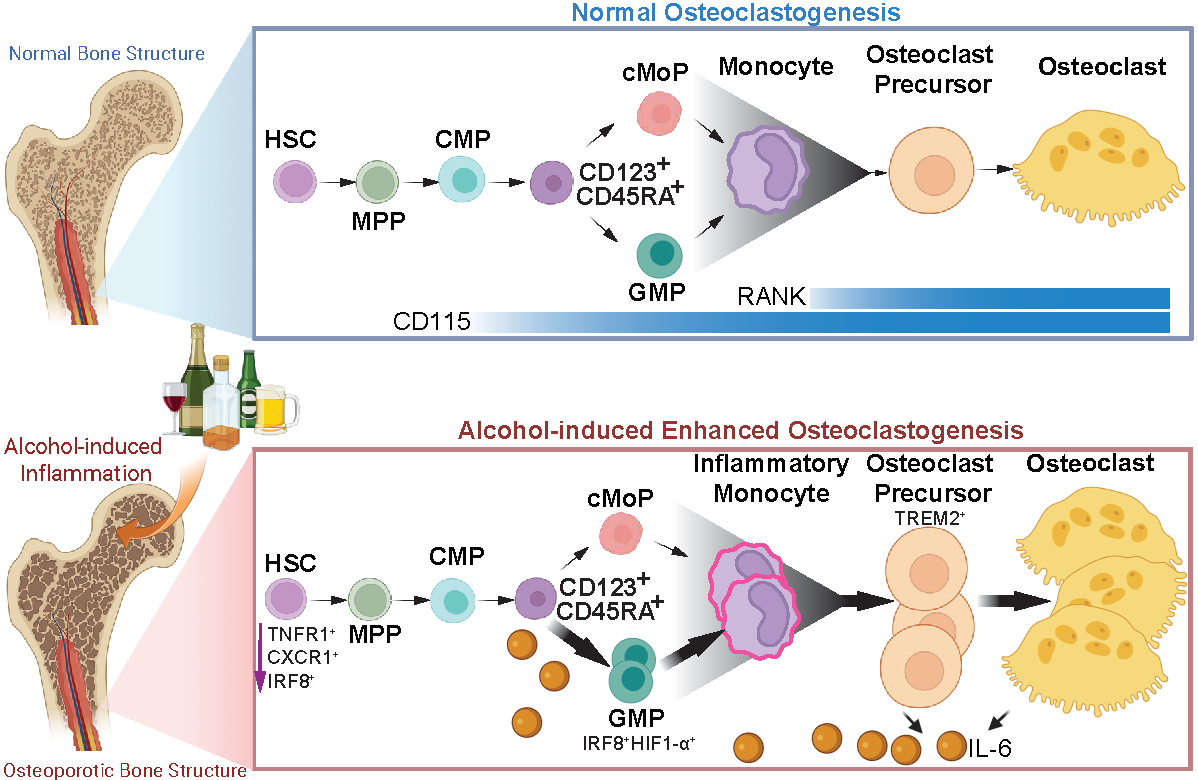
Our paper titled “Chronic alcohol consumption enhances the differentiation capacity of hematopoietic stem and progenitor cells into osteoclast precursors.” was accepted by the American Journal of Pathology.
July, 2025 Access article
New publication!
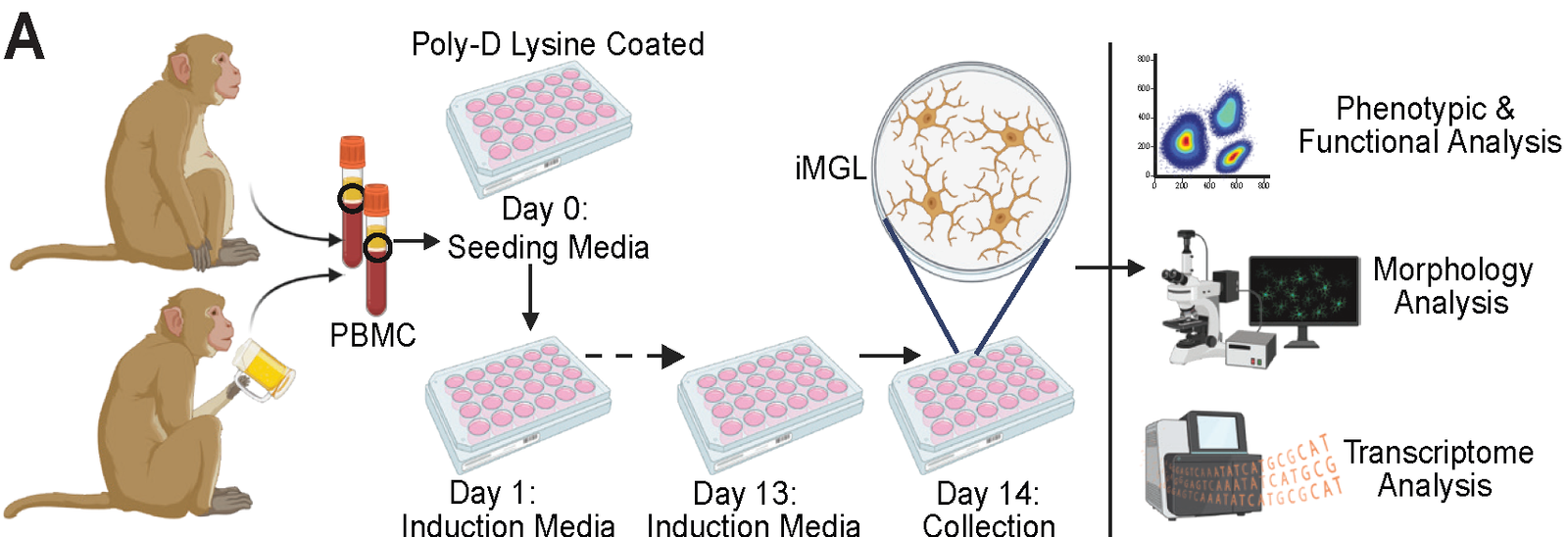
Our paper titled “Chronic alcohol consumption induces phenotypic and functional alterations consistent with a hyper-inflammatory state in peripheral blood mononuclear cell-derived microglia in a rhesus macaque model” was accepted by Brain, Behavior, and Immunity.
July, 2025 Access article
New publication!
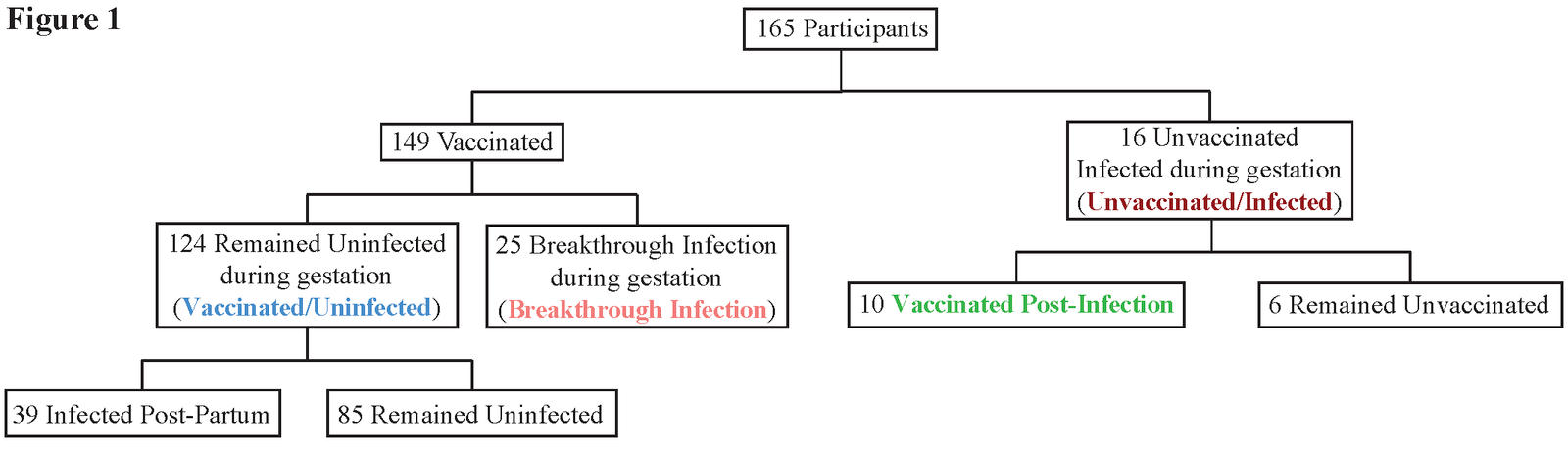
Our paper titled “SARS-CoV-2 breakthrough infection during pregnancy preferentially elicits IgG4 response and enhanced placental-transfer” was accepted by Vaccine.
July, 2025 Access article
New fund support!
Dr. Ilhem Messaoudi and Dr. Hami Hemati, in collaboration with Dr. Mary Mohrin, Dep. of Toxicology and Cancer Biology, received a pilot project grant from the UKY Markey Cancer Center and the Substance Use Priority Research Area (SUPRA) to study how alcohol affects cancer risk.
June, 2025