
Latest Updates
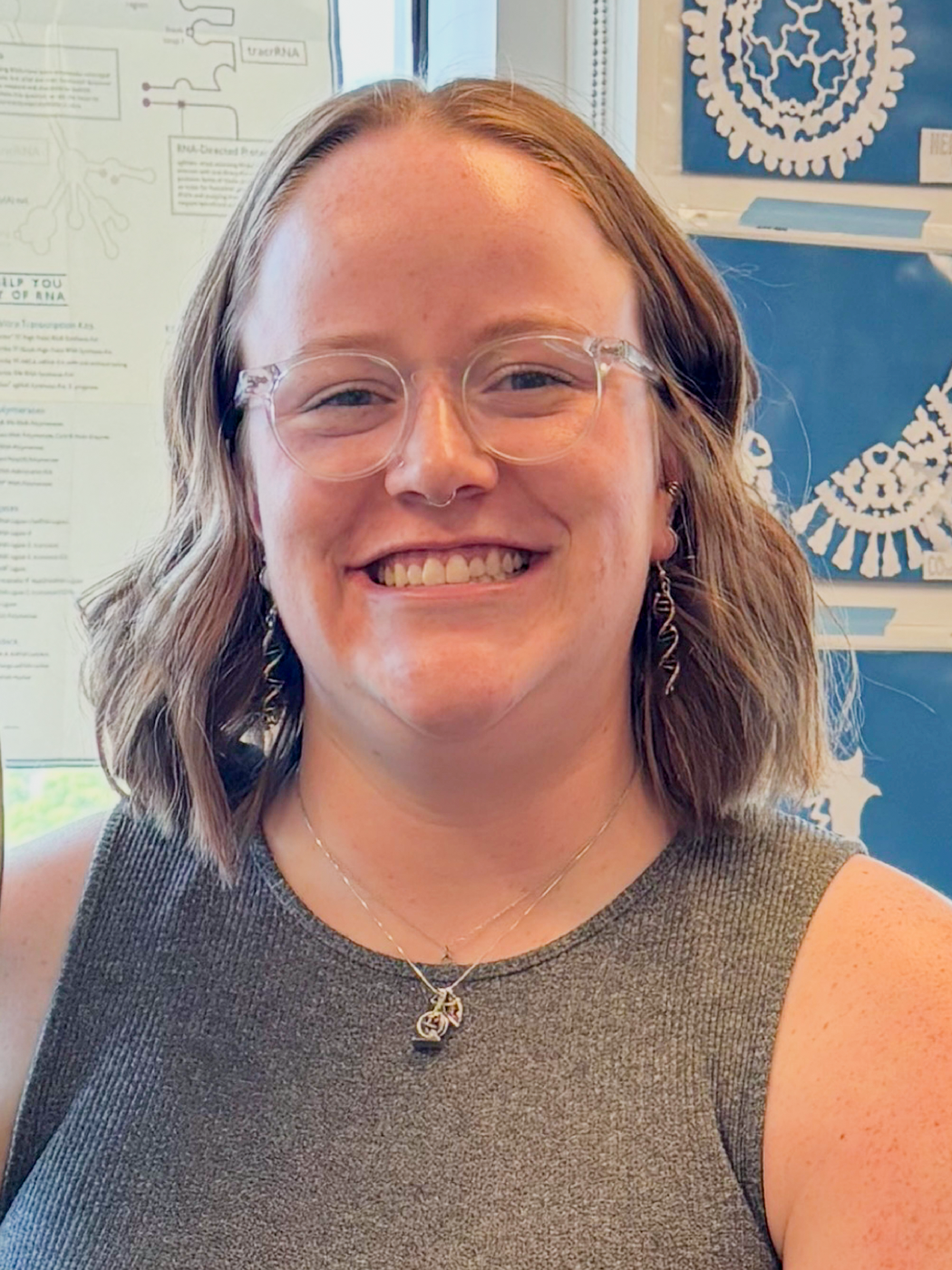
Welcoming Margaret Dedloff to the Lab!
Dr. Margaret Dedloff joins the lab as a postdoctoral fellow. She earned her PhD from the University of North Carolina at Chapel Hill under Dr. Helen Lazear, researching the interferon lambda response to congenital Zika virus infection. She will leverage her expertise to support the Messaoudi lab’s pregnancy projects.
August, 2026
Messaoudi Lab attends the Kentucky Symposium for Maternal and Infant Outcomes
Dr. Ilhem Messaoudi and Brianna Doratt attended the 2026 Kentucky Symposium for Maternal and Infant Outcomes, organized by the Kentucky Maternal Morbidity and Mortality (KyMMM) Task Force and the Kentucky Perinatal Quality Collaborative (KyPQC). The symposium brought together perinatal care providers, social service professionals, administrators, researchers, policymakers, and community organizations to foster collaboration and address emerging priorities in maternal and infant health.
Brianna Doratt presented two research posters at the event:
“Maternal opioid use with and without hepatitis C infection disrupts the structure and immune landscape of the maternal-fetal interface”
“Neonatal outcomes and immune reprogramming induced by prenatal opioid and hepatitis C exposure”
July, 2026
New Funding Focuses on Preventing Mother-to-Child HIV Transmission
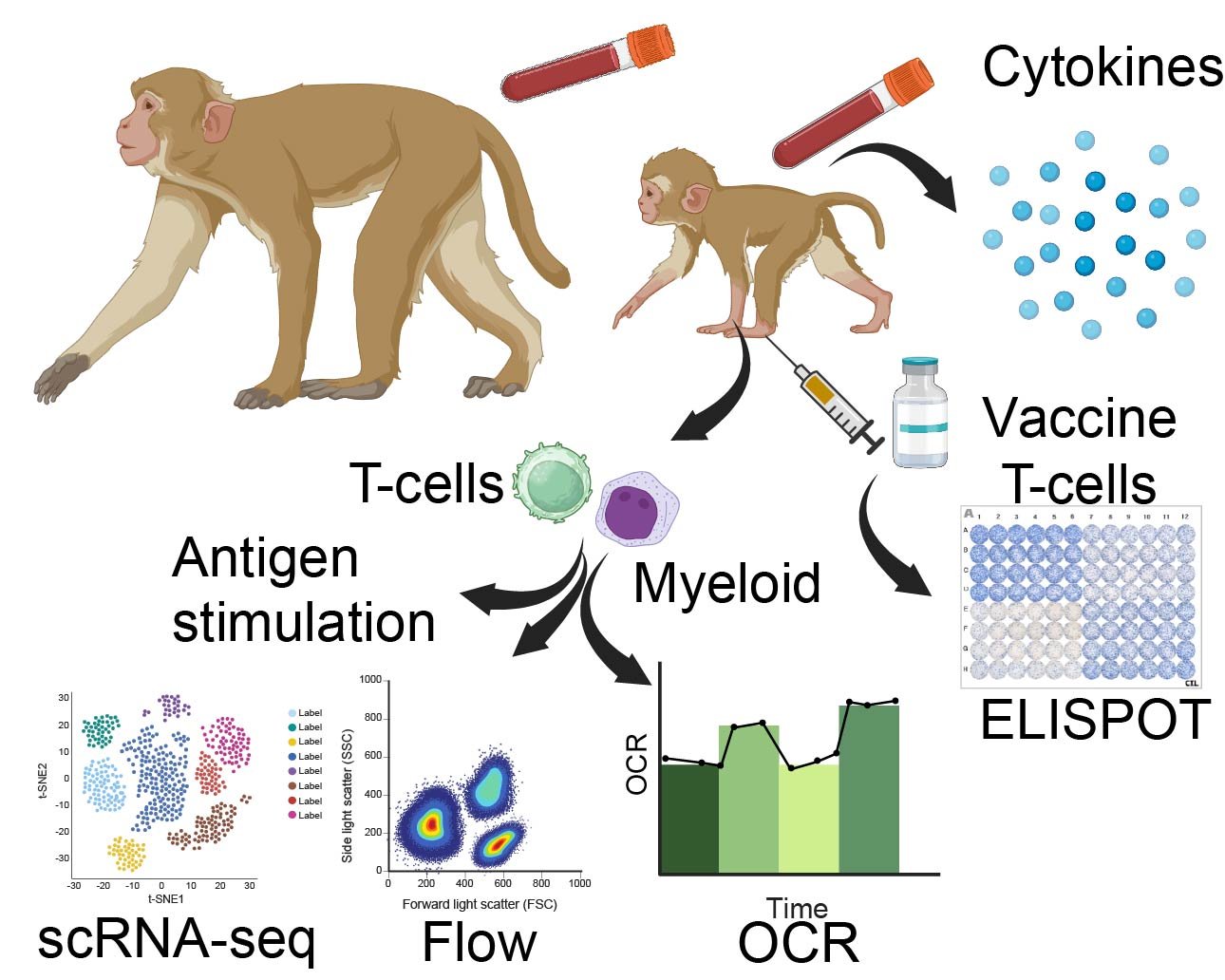
Dr. Ilhem Messaoudi and long-term collaborator Dr. Oleg Varlamov, from the Oregon National Primate Research Center, have received funding from the National Institute of Child Health and Human Development (NICHD) to advance HIV treatment for pregnant women.
The study evaluates a novel, long-acting medication designed to prevent mother-to-child HIV transmission while minimizing health risks to the mother. Using a rhesus macaque model, the research team will examine the treatment’s impact on both maternal and infant health, with a specific focus on immune system outcomes.
July, 2026
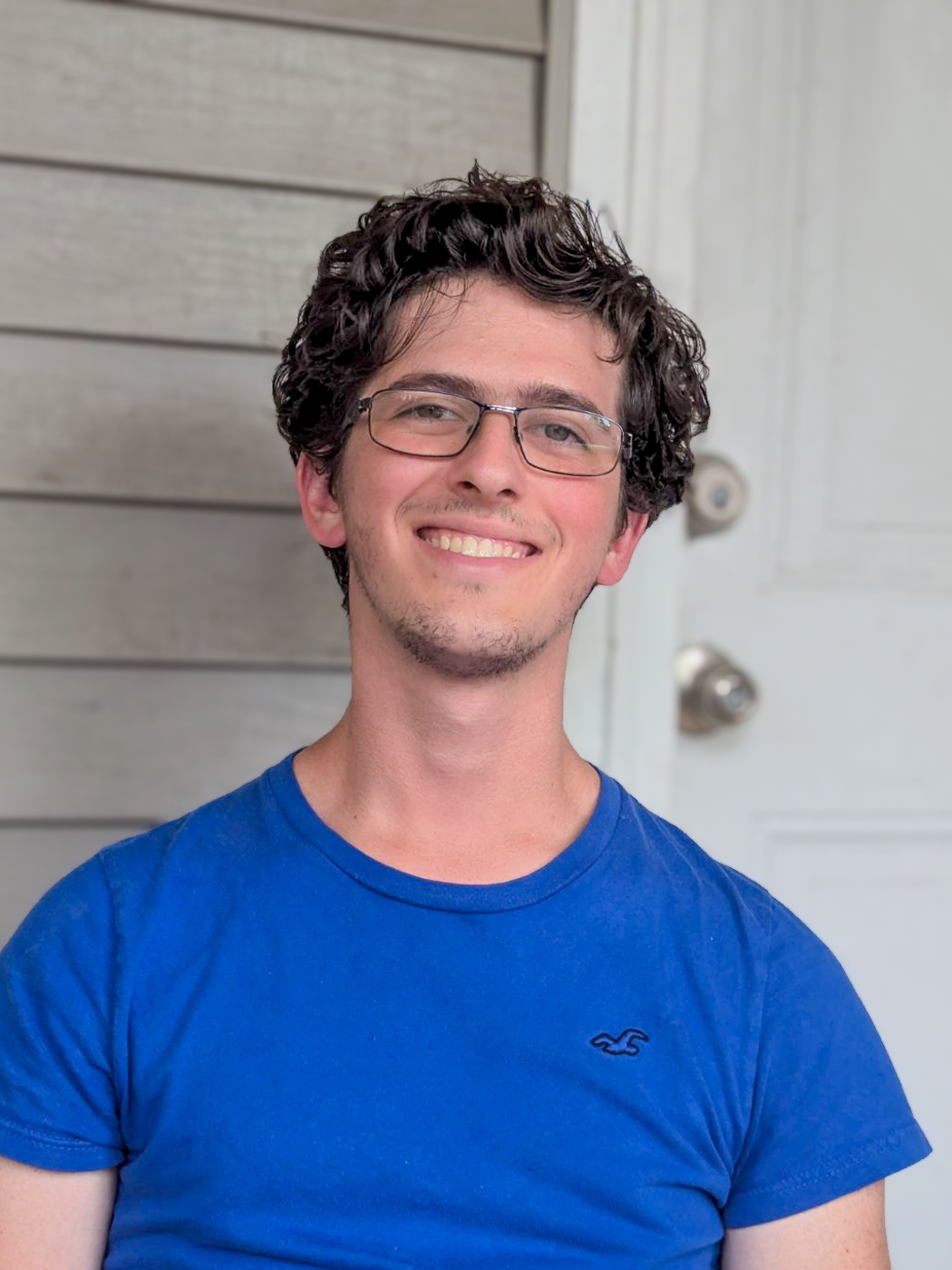
Welcoming Andrew Katsikas to the Lab!
Andrew Katsikas joins the lab as a technician after recently graduating from the University of Kentucky with degrees in Biology and Chemistry. During his time in the lab, Andrew aims to gain expertise in cell culture and next-generation sequencing techniques.
July, 2026
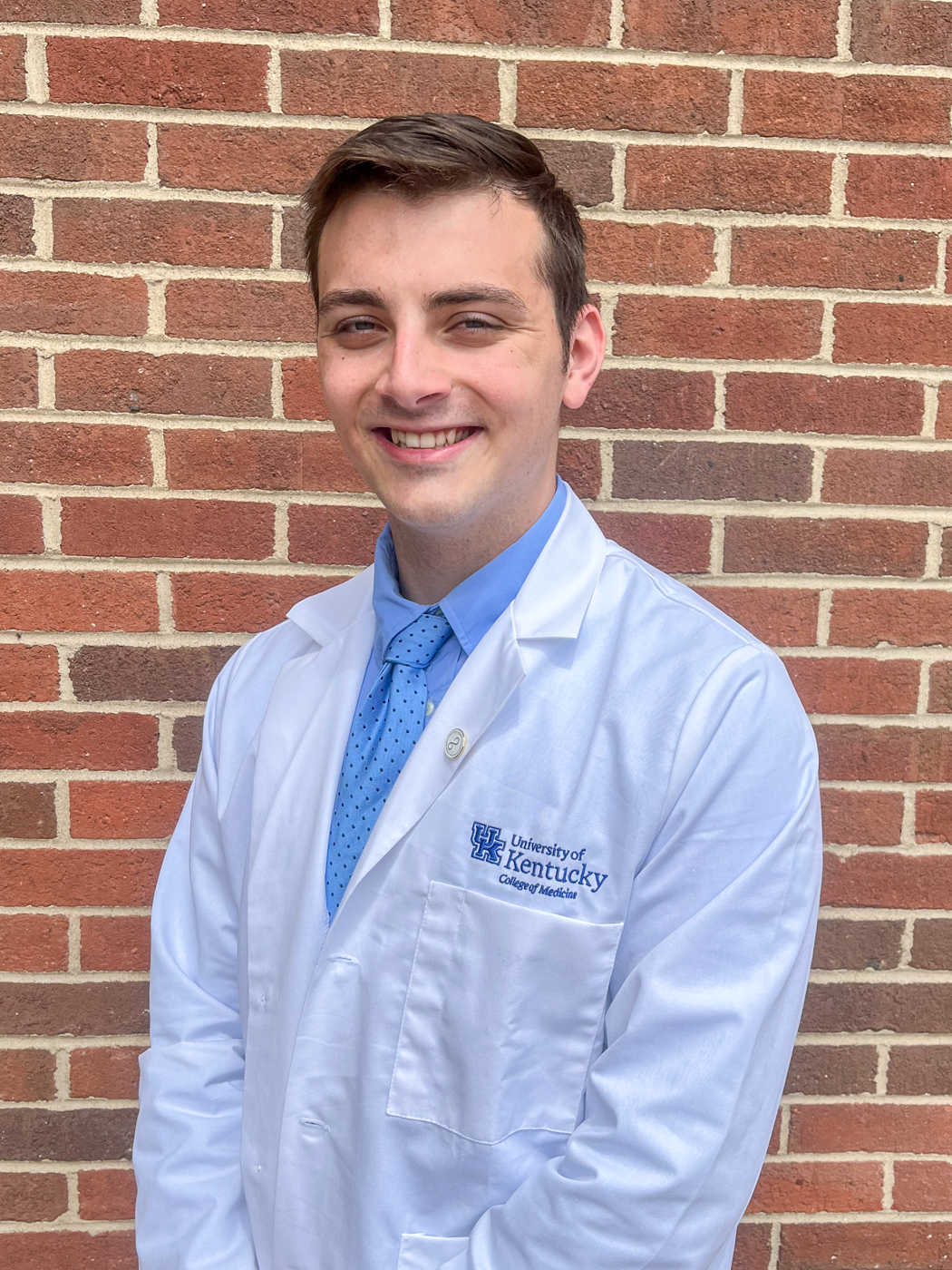
Welcoming Landon Thompson to the Lab!
Landon Thompson has joined the lab as an MD-PhD student. He will be conducting his thesis research on how advanced age increases susceptibility to respiratory diseases.
July, 2026
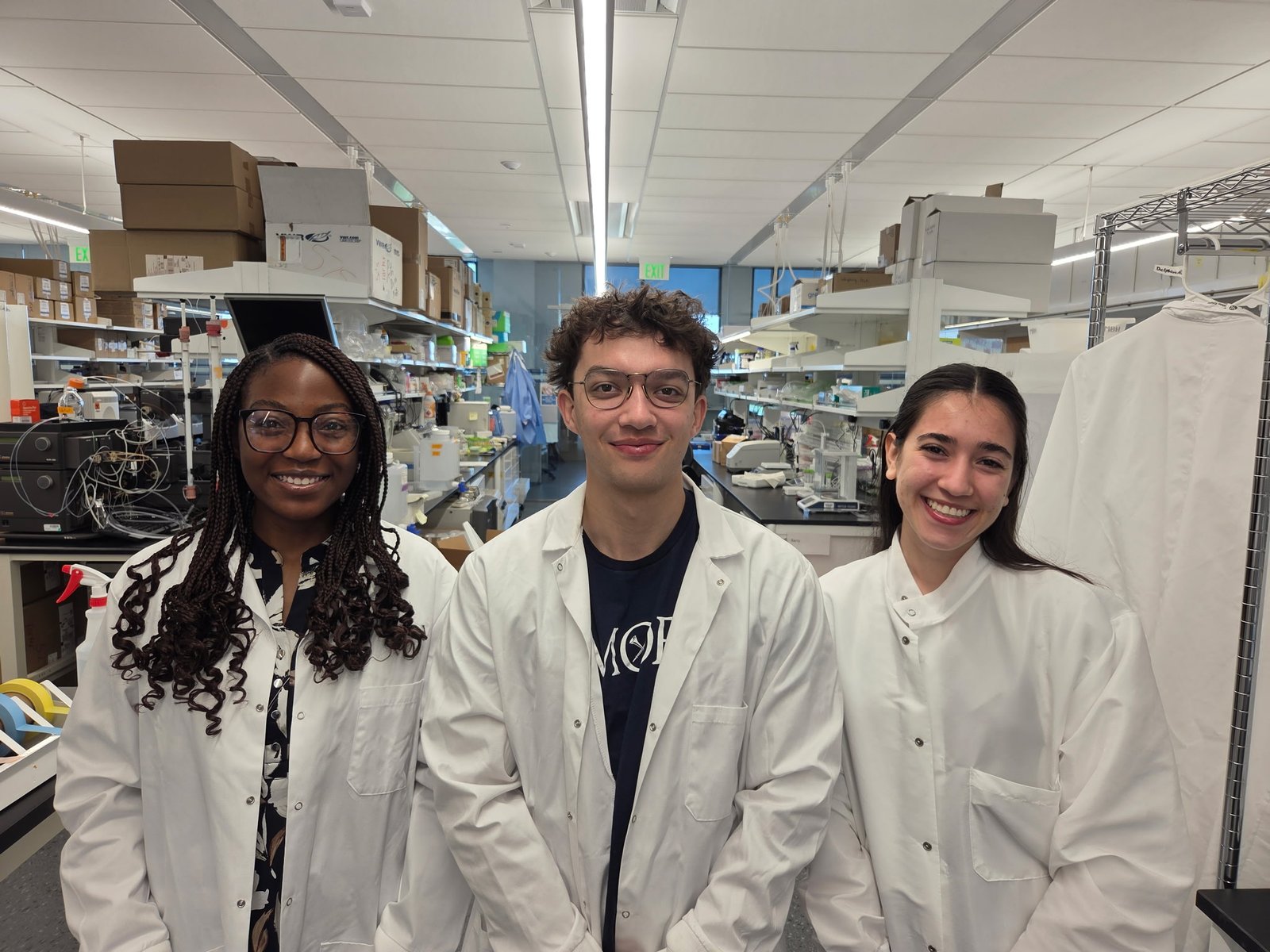
Messaoudi Lab Welcomes 2026 Summer Research Students
This summer, the Messaoudi Lab is hosting multiple student learners, providing them with hands-on research opportunities and mentorship. The lab welcomes three undergraduate researchers for the season:
Michelle Mwasumbi, a rising senior at Georgetown University, joins the lab for the first time as part of the Georgetown College of Science Honors Program.
Emerson Farrar, who previously worked in the lab as a high school student during the summer of 2024, returns this year as an undergraduate from Emory University participating in the Summer Undergraduate Research Experience (SURE) program.
Yasmim Gabriel Pereira, a current academic-year researcher in the lab, has been awarded the 2026 Summer Undergraduate Research Award to fund her continued scientific work over the summer months.
May, 2026

Messaoudi Lab Hosts and Presents at 46th Annual ASRI Meeting
From May 24–28, 2026, the American Society for Reproductive Immunology (ASRI) held its 46th Annual Meeting at the Central Bank Center in Lexington, Kentucky. Themed “The Reproductive Immunology Stakes: From Starting Gate to Finish Line,” the prestigious event brought together clinicians, researchers, and global leaders to advance the science of reproductive immunology. Dr. Ilhem Messaoudi served as a meeting Co-Chair and Local Host for this year’s conference.
At this meeting our lab presented multiple pieces of work:
Dr. Ilhem Messaoudi delivered an oral presentation titled “Maternal opioid use and hepatitis C infection disrupt the placental immune landscape and structure.”
Dr. Delphine Malherbe gave a talk titled “Neonatal outcomes and immune reprogramming induced by prenatal opioid and hepatitis C exposure.”
Dr. Madison Blanton presented a poster titled “Transcriptional profiling of umbilical cord blood versus neonatal peripheral blood: evaluating surrogate validity.”
Brianna Doratt presented a poster titled “Maternal opioid use with and without hepatitis C infection disrupts the structure and immune landscape of the maternal-fetal interface.”
May, 2026
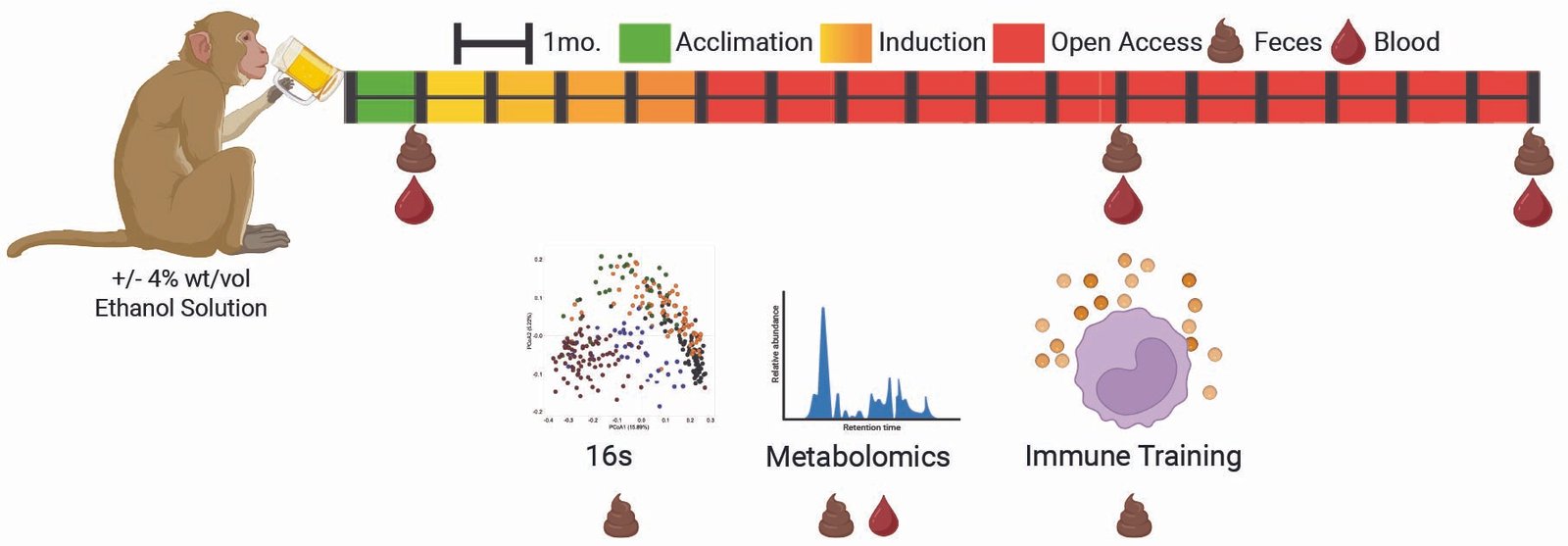
New Publication: Chronic Alcohol Consumption Disrupts Gut Microbial and Metabolic Landscapes
The Messaoudi Lab has published a new study in Frontiers in Microbiology that advances our understanding of how alcohol impacts the digestive system. The paper, titled “Long-term chronic alcohol consumption disrupts the gut microbial and metabolic landscapes,” characterizes the specific ways prolonged alcohol use reshapes both the gut microbiome and its associated metabolic environment. This study builds directly upon the lab’s ongoing, comprehensive research aimed at uncovering how alcohol-induced changes in the gut drive broader, systemic immune dysregulation throughout the body.
May, 2026 Access article
Dr. Messaoudi Presents Lyme Disease Research at Global Lyme Alliance Conference
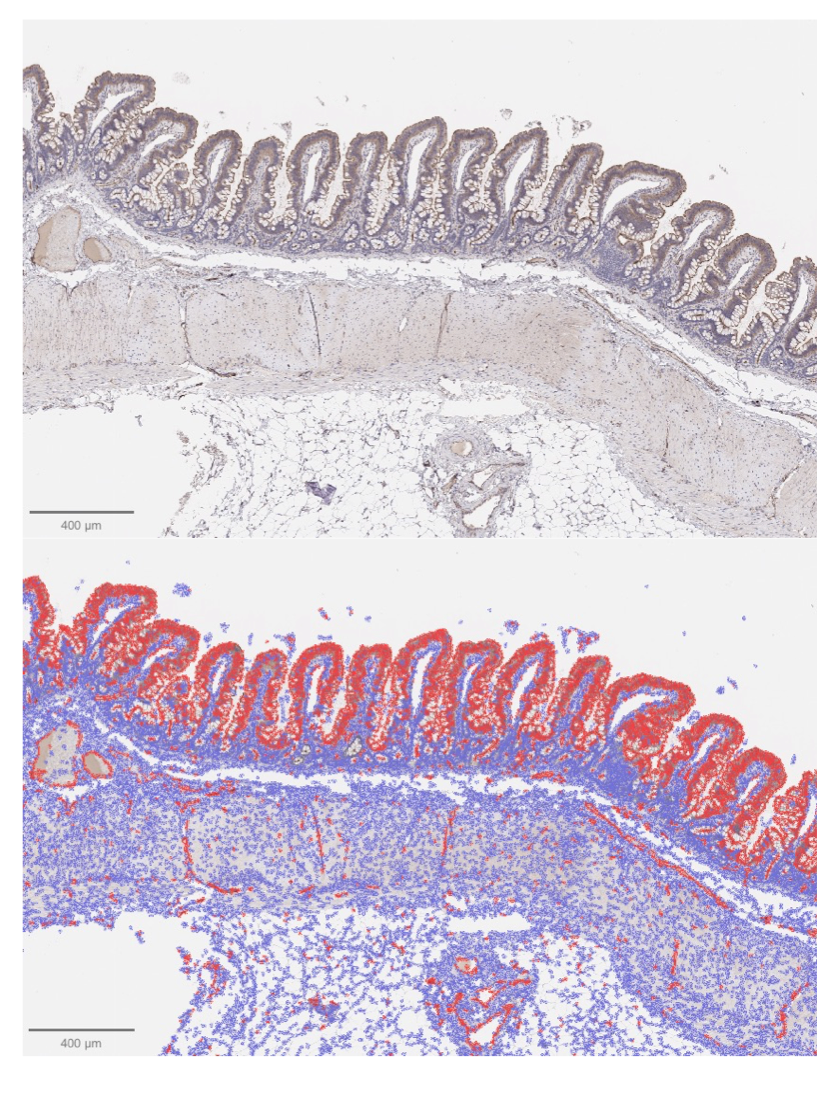
In May 2026, Dr. Ilhem Messaoudi attended the annual Global Lyme Alliance (GLA) conference to share the lab’s latest findings on the systemic impacts of Lyme disease.
She delivered a presentation titled “Borreliosis and doxycycline treatment disrupt gut microbiota and immune responses in nonhuman primates,” which provided an update on the lab’s ongoing work investigating gut barrier disruption associated with Lyme disease. The research highlights how both the infection itself and subsequent antibiotic treatments can alter gut microbiota and immune function, offering crucial insights into the long-term management of the disease.
May, 2026
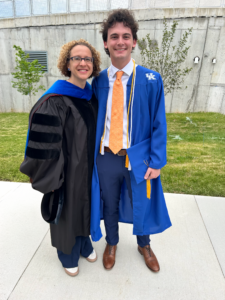
Messaoudi Lab Celebrates Spring 2026 Graduates
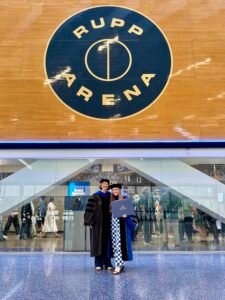
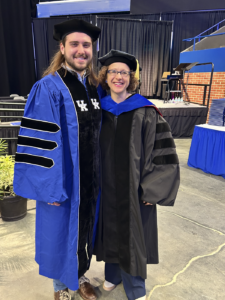
Commencement was a major milestone for the Messaoudi Lab this year, marking the graduation of three dedicated researchers. Graduate students Madison Blanton and Ethan Napier both walked the stage to accept their PhDs, concluding their doctoral training with the lab.
Additionally, long-time undergraduate researcher Geoffrey Smith graduated with his bachelor’s degree. He will be continuing his medical education this fall at the University of Pikeville – Kentucky College of Osteopathic Medicine (KYCOM)
The Messaoudi Lab congratulates Dr. Blanton, Dr. Napier, and Geoffrey on their achievements and wishes them the best in their future careers.
May, 2026
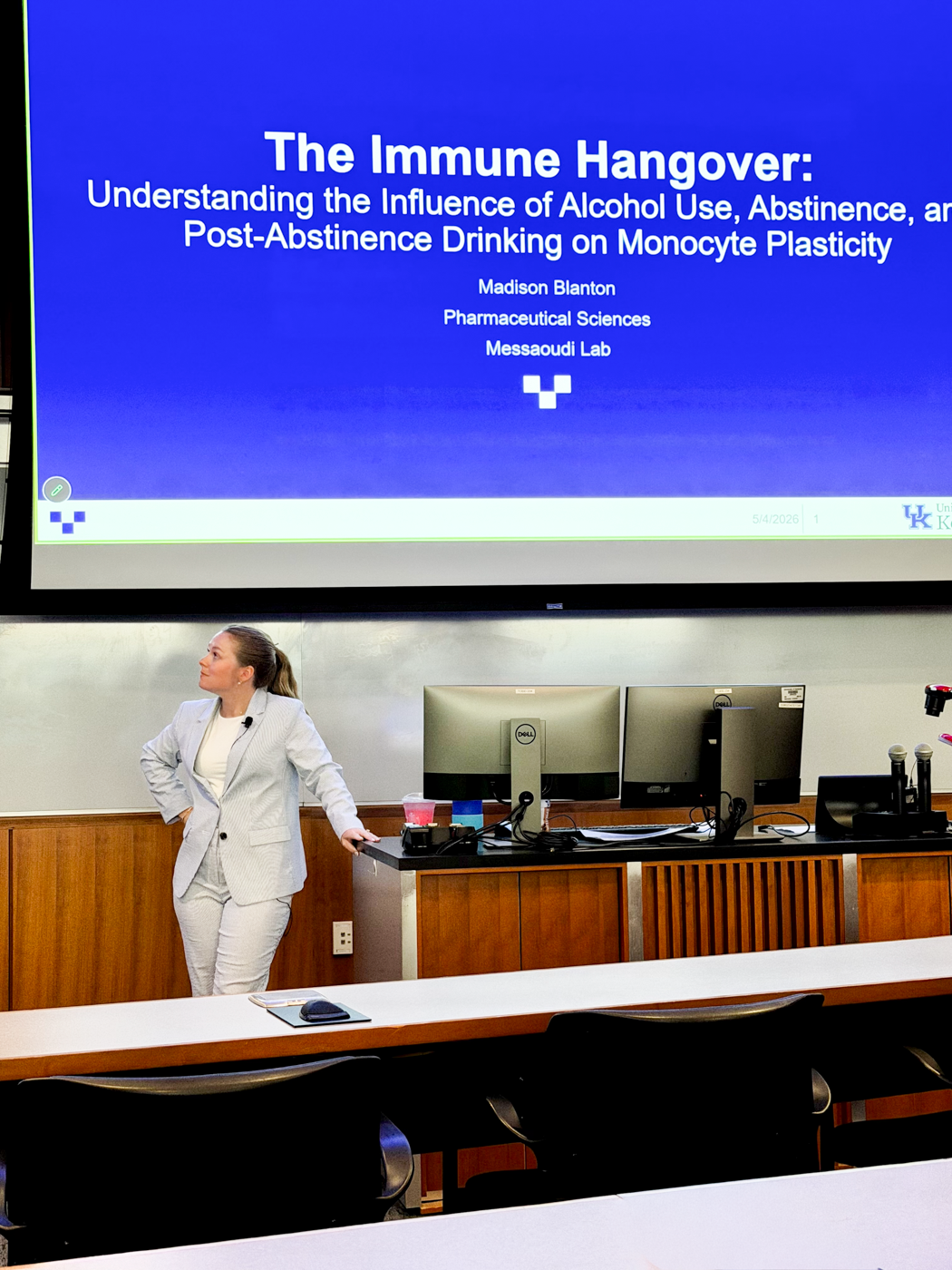
Congratulations, Dr. Blanton! Madison Blanton Successfully Defends PhD and Earns Academic Fellowship
On May 4, Madison Blanton successfully defended her PhD thesis, titled “The Immune Hangover: Understanding the Influence of Alcohol Use, Abstinence, and Post-Abstinence Drinking on Monocyte Plasticity.”
On top of earning her doctorate, she is the very first PhD candidate to be awarded the College of Pharmacy’s Academic Fellowship in the UKY Department of Pharmacy Practice and Science. Looking ahead, she will be teaching the next generation of pharmacy students while staying right here with the Messaoudi Lab as a Postdoctoral Scholar to continue her incredible research.
May, 2026
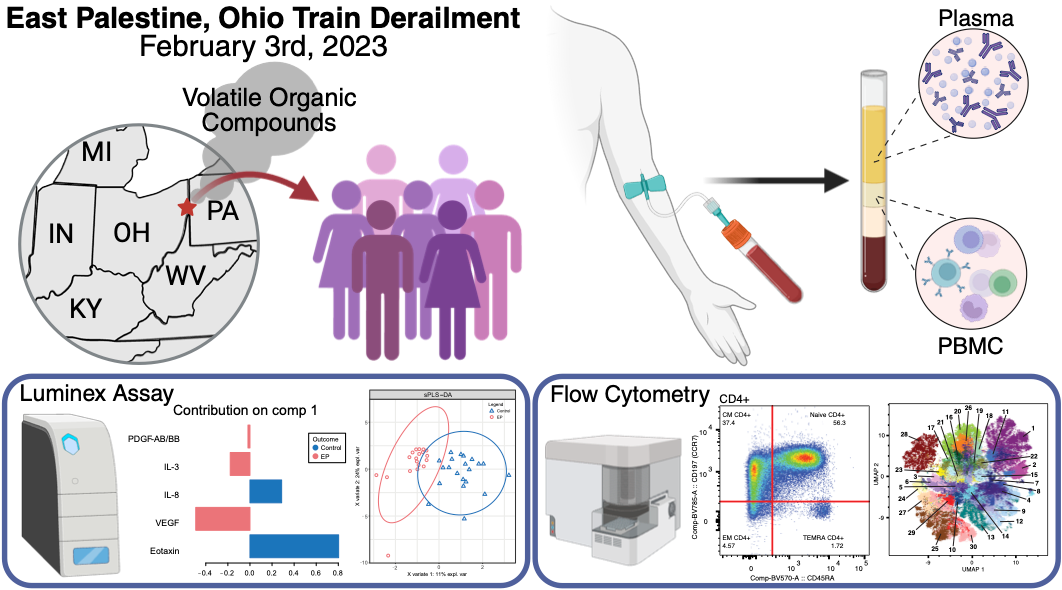
New Publication: Immune Disruption Following the East Palestine Train Derailment
In a new study published in the Journal of Exposure Science & Environmental Epidemiology, the Messaoudi Lab investigates the biological toll of environmental disasters on human health. The paper, titled “Characterizing immune perturbations in peripheral blood following the East Palestine, Ohio train derailment,” profiles the systemic immune changes in individuals who were exposed to the chemical aftermath of the February 2023 disaster.
By analyzing peripheral blood samples, the research team identified distinct immune disruptions and cellular changes in affected community members. These findings offer critical, real-world insights into how acute toxic exposures alter human immune function, providing environmental health advocates and clinicians with vital data to better understand and support the long-term recovery of communities facing chemical disasters.
April, 2026 Access article
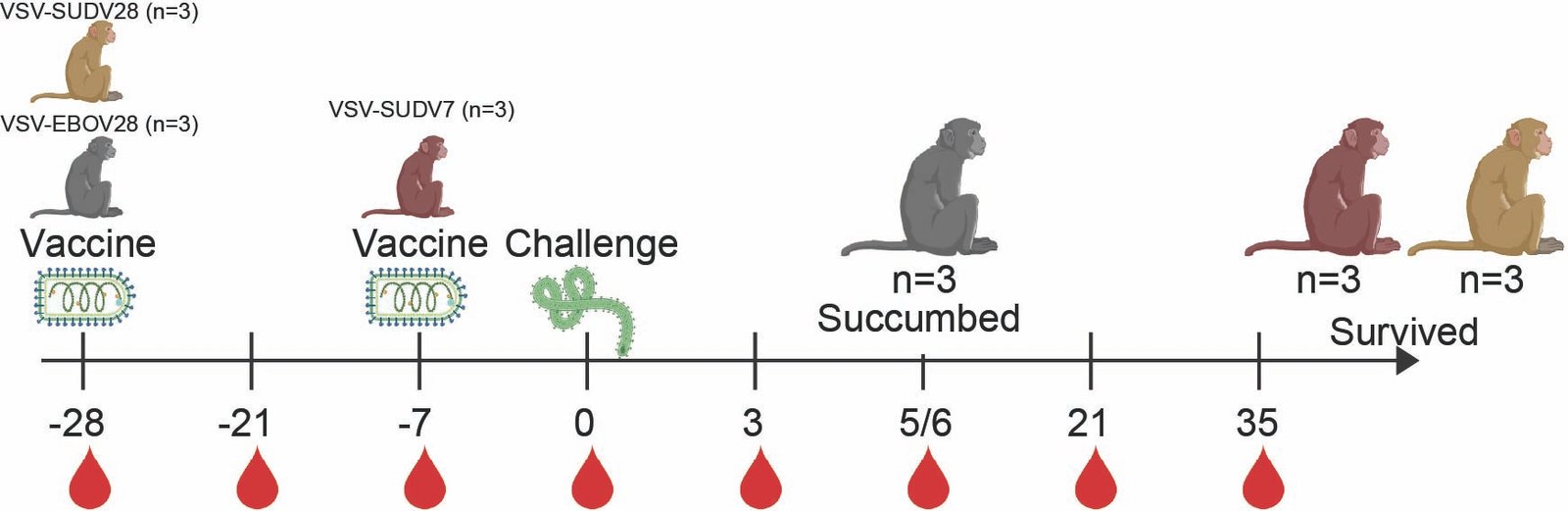
New Publication: Transcriptional Basis of Rapid Vaccine Protection Against Sudan Virus
The Messaoudi Lab has published a new study in PLOS Pathogens that advances our understanding of how fast-acting vaccines defend against lethal filoviruses. The paper, titled “Transcriptional changes linked to rapid protection from SUDV infection by a single dose of a Vesicular Stomatitis Virus-based vaccine,” investigates the cellular mechanisms that allow a single vaccine dose to trigger swift immunity.
By analyzing gene expression patterns, the research team identified specific transcriptional signatures associated with the rapid protection conferred by a Vesicular Stomatitis Virus (VSV)-based vaccine against the Sudan virus. These findings offer crucial insights into the precise biological pathways required for immediate defense, providing a vital roadmap for designing next-generation vaccines to counter emerging viral outbreaks.
April, 2026 Access article
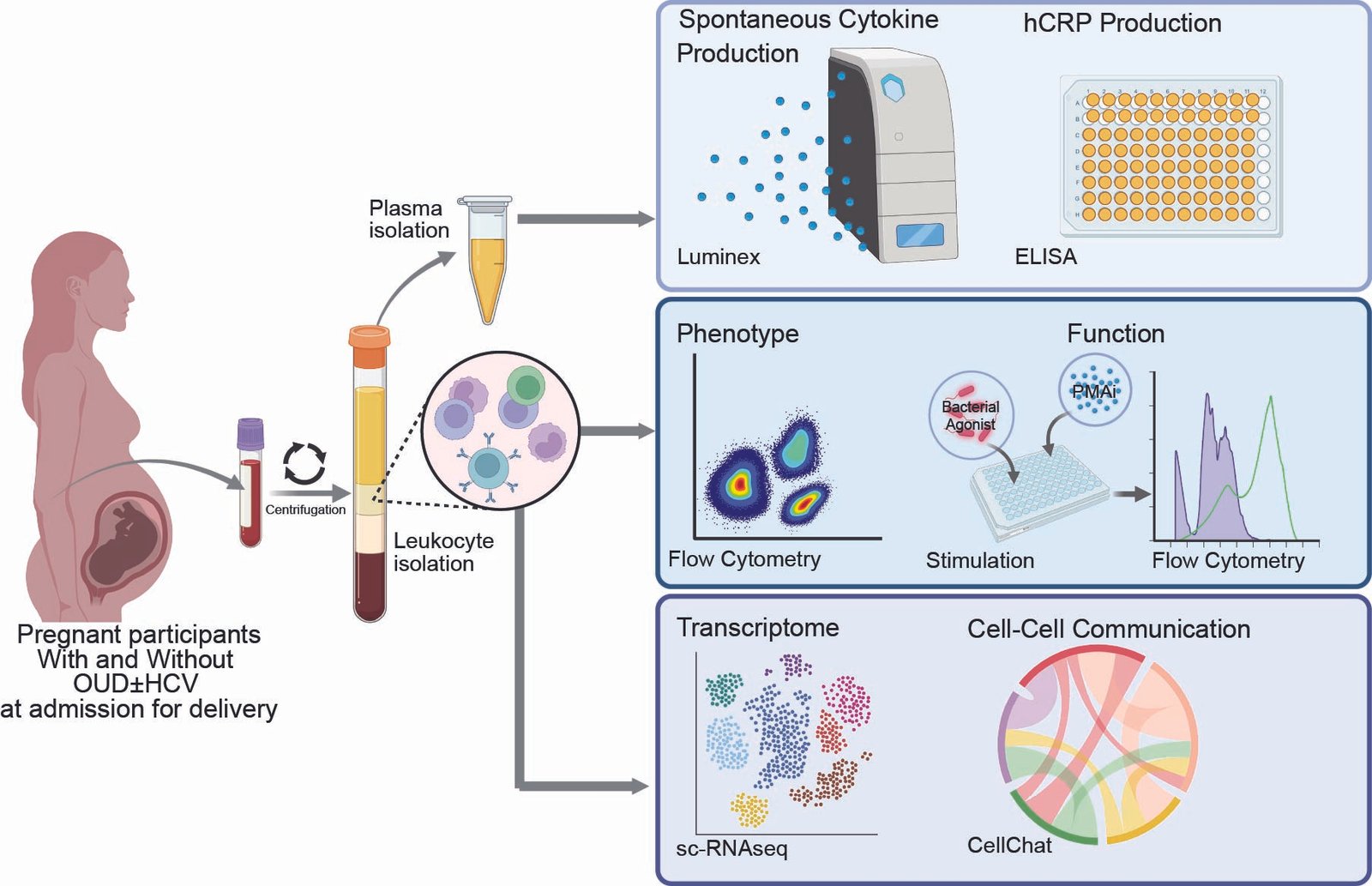
New Publication: Opioid Use Disorder and HCV Reshape Peripheral Immunity in Pregnancy (eBioMedicine)
The paper, titled “Maternal Opioid Use Disorder and Hepatitis C Infection in Pregnancy Reshape the Peripheral Immune Landscape at Term”, was recently featured in eBioMedicine
By analyzing maternal blood samples at the time of delivery, the study provides a detailed look at how these factors alter a mother’s immune defenses: The research highlights how maternal opioid use disorder (OUD), both alone and when compounded by a hepatitis C virus (HCV) co-infection, significantly reshapes circulating immune cell populations at time of delivery, shedding light on systemic immune consequences for mothers.
April, 2026 Access article
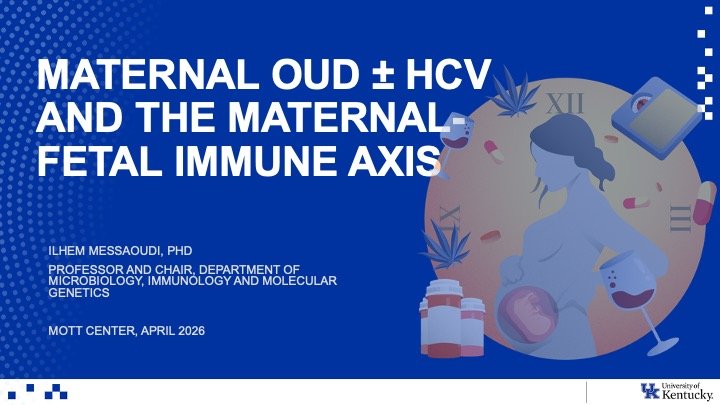
Dr. Messaoudi Invited to Present Seminar at Wayne State University
During her visit, she presented her latest research in a seminar titled “Maternal OUD±HCV and the maternal-fetal immune axis.” Her talk focused on the lab’s critical ongoing work investigating how maternal opioid use disorder (OUD), with or without hepatitis C virus (HCV) co-infection, impacts the delicate immune balance between mother and fetus during pregnancy.
April, 2026
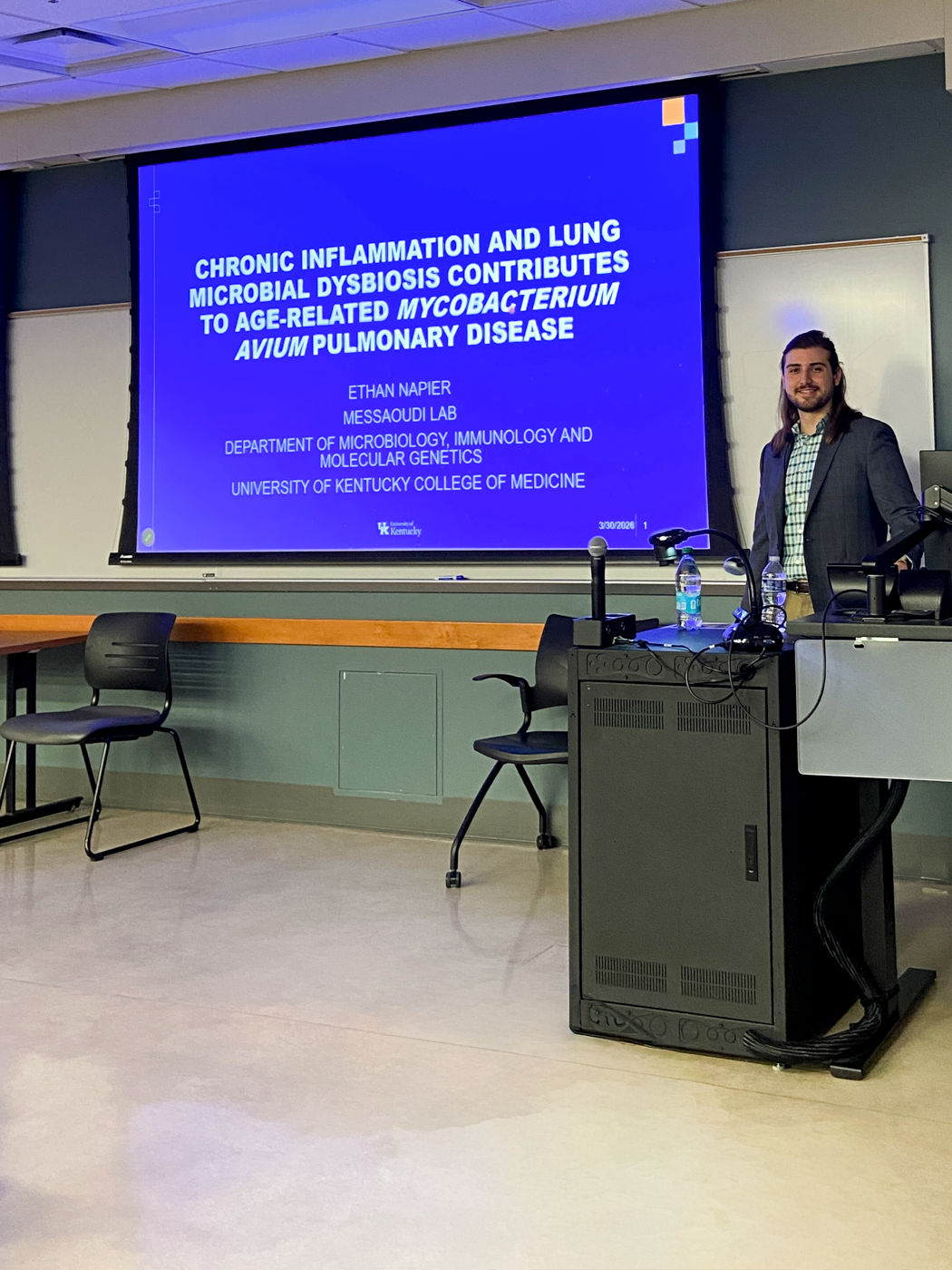
Congratulations, Dr. Napier! Ethan Napier Successfully Defends PhD Thesis
Ethan Napier officially defended his PhD thesis on March 30, 2026. His research, titled “The Rhesus Macaque Model of Mycobacterium Avium Infection Reveals That Age-Related Disease Is Due in Part to Chronic Inflammation and Lung Microbial Dysbiosis,” sheds critical light on how aging and tissue environments interact during infection.
We are incredibly proud of all your hard work, Dr. Napier! 🎓👏
March, 2026
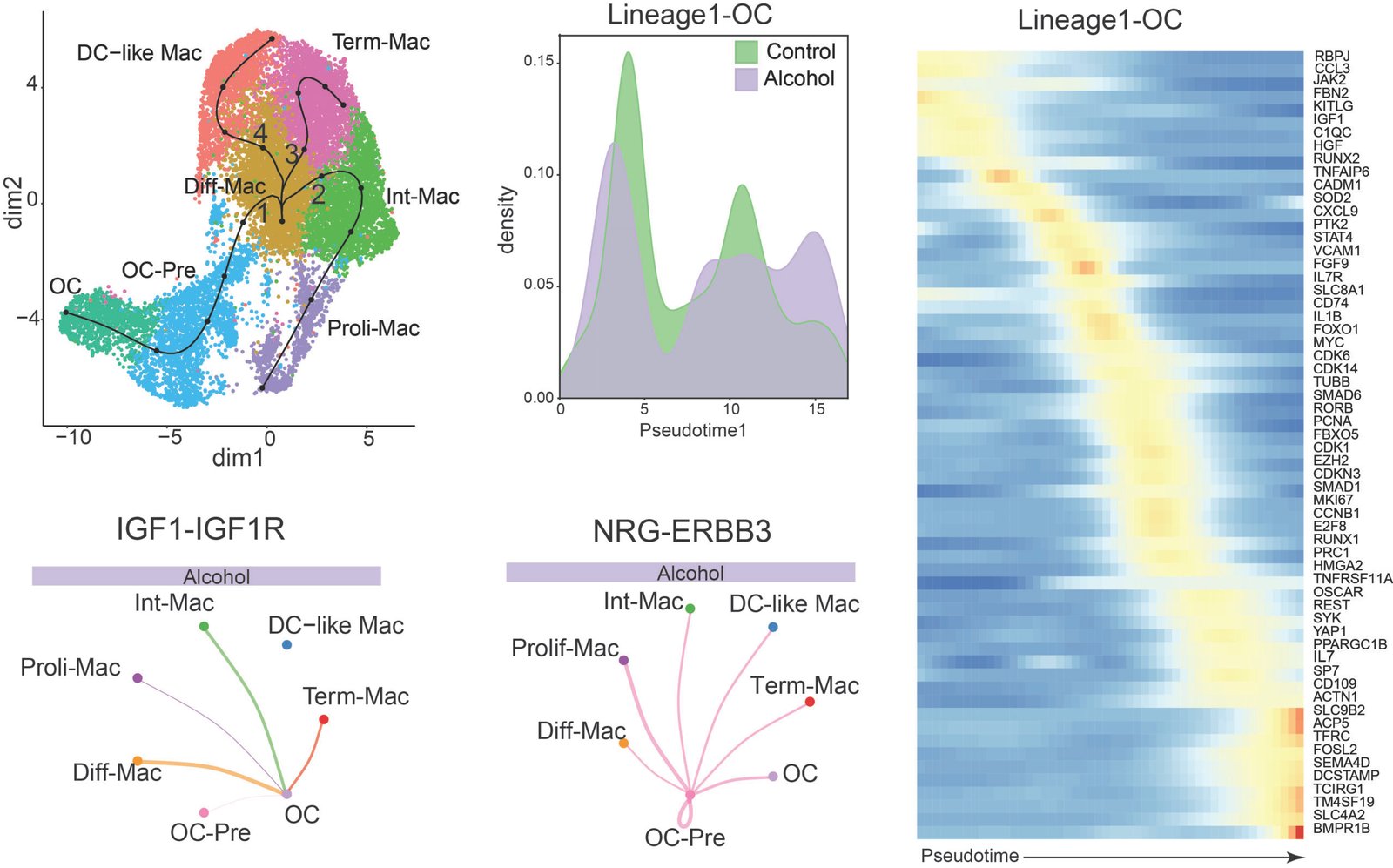
New Publication: How Chronic Alcohol Consumption Triggers Bone Loss
The paper titled “Chronic Alcohol Consumption Reprograms Osteoclast Lineage Communications to Promote Osteoclastogenesis” was recently published in the journal Biology.
Using advanced cellular modeling, this study reveals how chronic alcohol intake disrupts communication pathways within cell lineages, ultimately accelerating the development of bone-resorbing cells (osteoclasts). These findings offer crucial new insights into how alcohol abuse contributes to skeletal fragility and metabolic bone diseases.
March, 2026 Access article
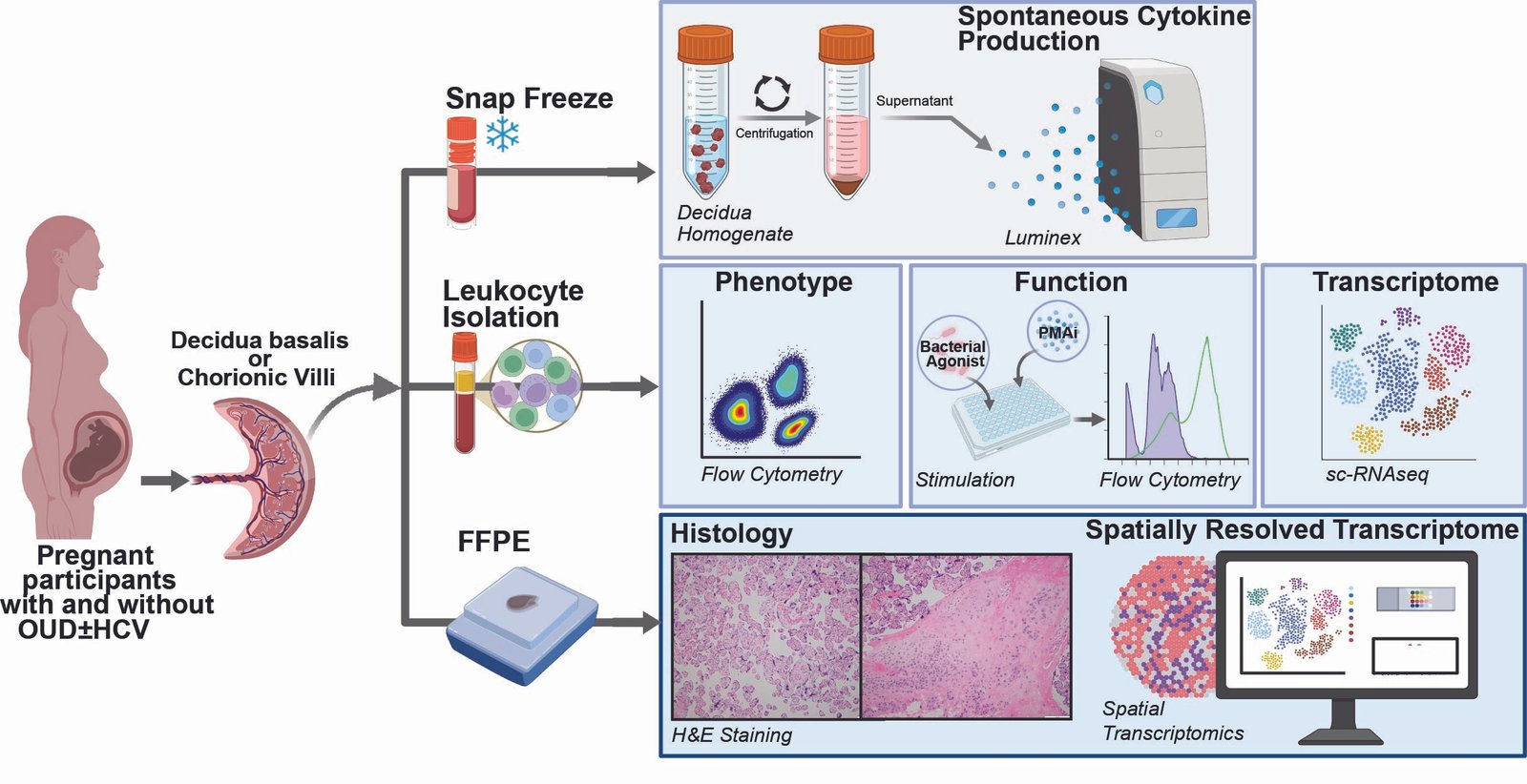
New Study: How Opioid Use and Hepatitis C Reshape the Placental Immune System
The paper, titled “Maternal opioid use and hepatitis C infection disrupt the placental immune landscape and structure,”was recently published in JCI Insight.
This study reveals how co-exposure to maternal opioid use disorder and hepatitis C infection reshapes the immune environment and structural integrity of the placenta, with important implications for understanding pregnancy complications and neonatal health.
March, 2026 Access article
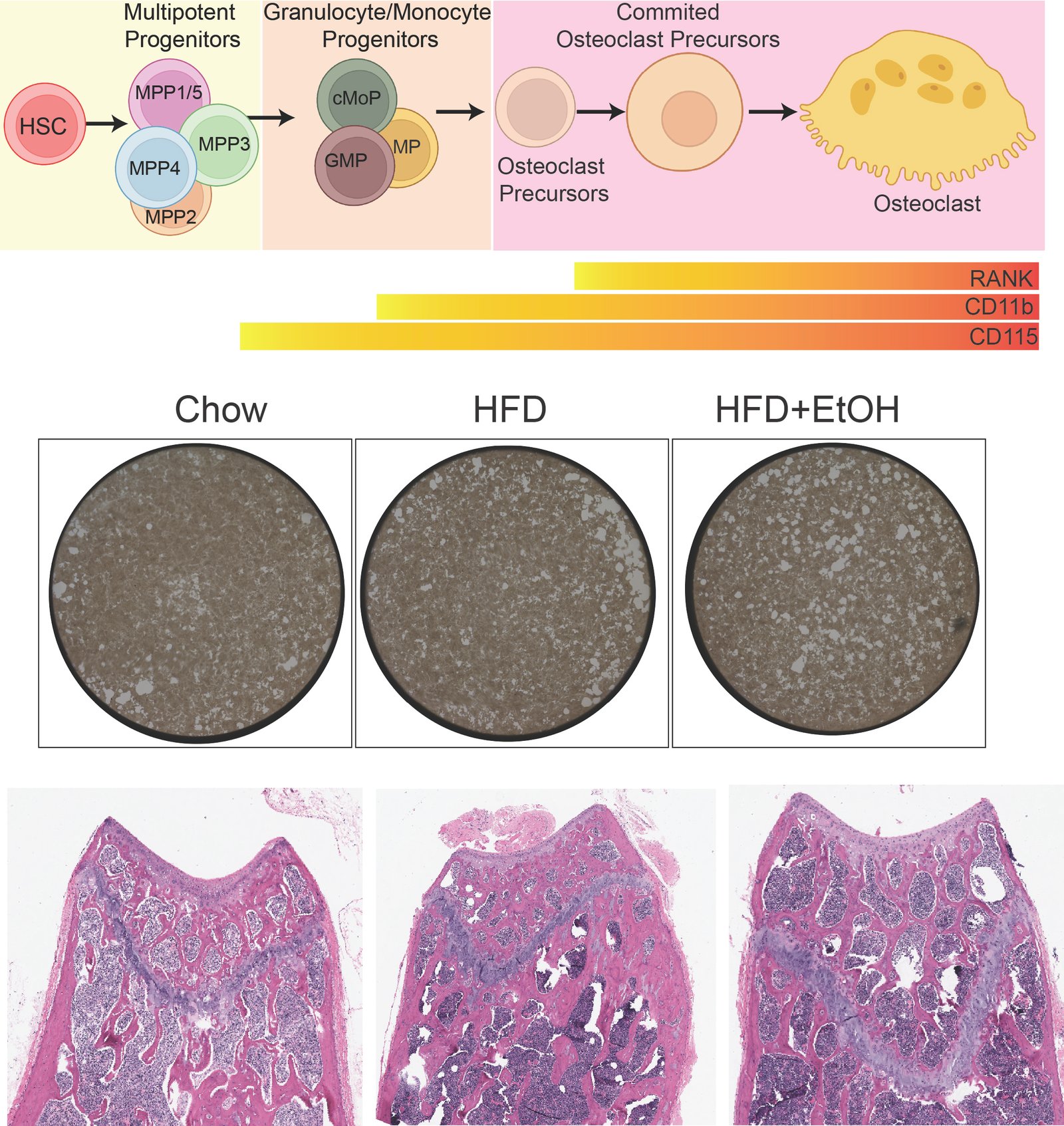
Messaoudi Lab Publishes New Findings on Alcohol, Diet, and Bone Metabolism in Frontiers in Endocrinology
The paper, titled “Alcohol consumption exacerbates high-fat diet-mediated disruptions in myelopoiesis and osteoclastogenesis in mouse models of metabolic dysfunction-associated liver diseases,” was recently featured in Frontiers in Endocrinology.
Using mouse models of metabolic liver disease, this study demonstrates that alcohol amplifies diet-induced dysregulation of blood cell production and bone-resorbing cell development, providing new mechanistic insight into the intersection of alcohol use and metabolic disease.
March, 2026 Access article
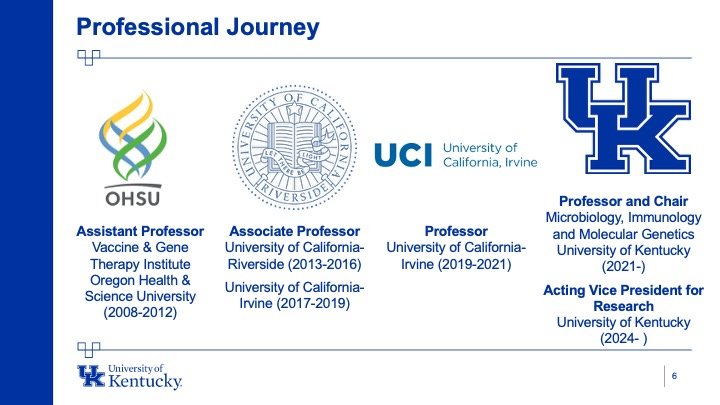
Dr. Messaoudi Shares Neurodevelopment Research and Career Insights at UKY Neurology Day
Dr. Ilhem Messaoudi was invited to speak about her cutting-edge research and professional journey at the University of Kentucky’s annual Neurology Day. Her featured talk, “Pathogens, Professorship, and the Developing Brain,” offered valuable insights into both neurodevelopment and navigating a successful career in science.
March, 2026
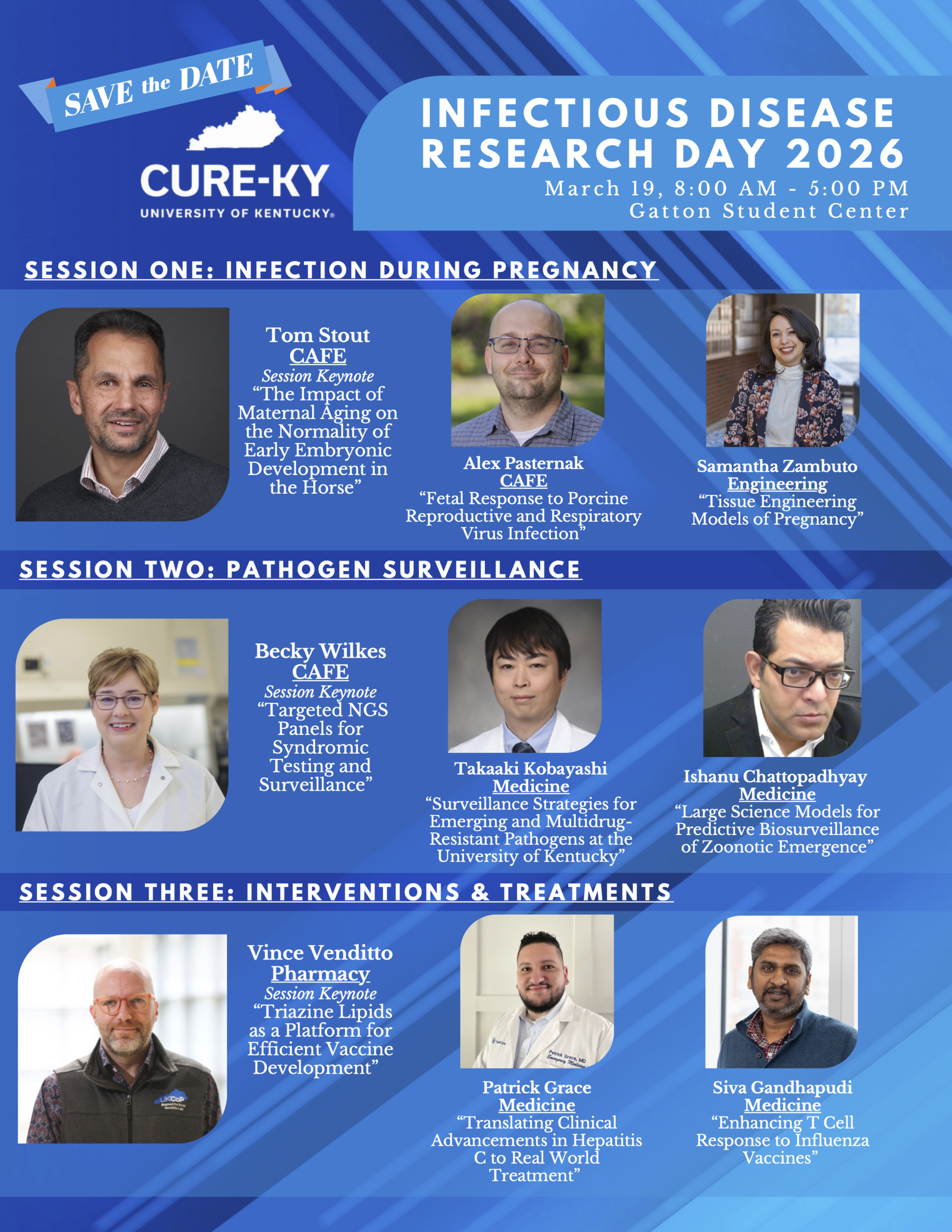
Infectious Disease Day 2026
The Messaoudi Lab recently joined fellow researchers, trainees, and clinicians at the annual Infectious Disease Research Day. Held on March 19, 2026, at the Gatton Student Center, the event was sponsored by CURE-KY and highlighted the cutting-edge infectious disease science happening across the University of Kentucky campus.
Our lab members actively contributed to the day’s scientific exchange with the following presentations:
Madison Blanton delivered an oral presentation and a poster session titled: “Your gut reaction: Alcohol, microbes, and the immune hangover”
Brianna Doratt presented a poster titled: “Maternal opioid use with and without hepatitis C infection disrupts the structure and immune landscape of the maternal-fetal interface”
Sheridan Wagner presented a poster titled: “Neonatal outcomes and immune reprogramming induced by prenatal opioid and hepatitis C exposure”
March, 2026
Blast from the Past!
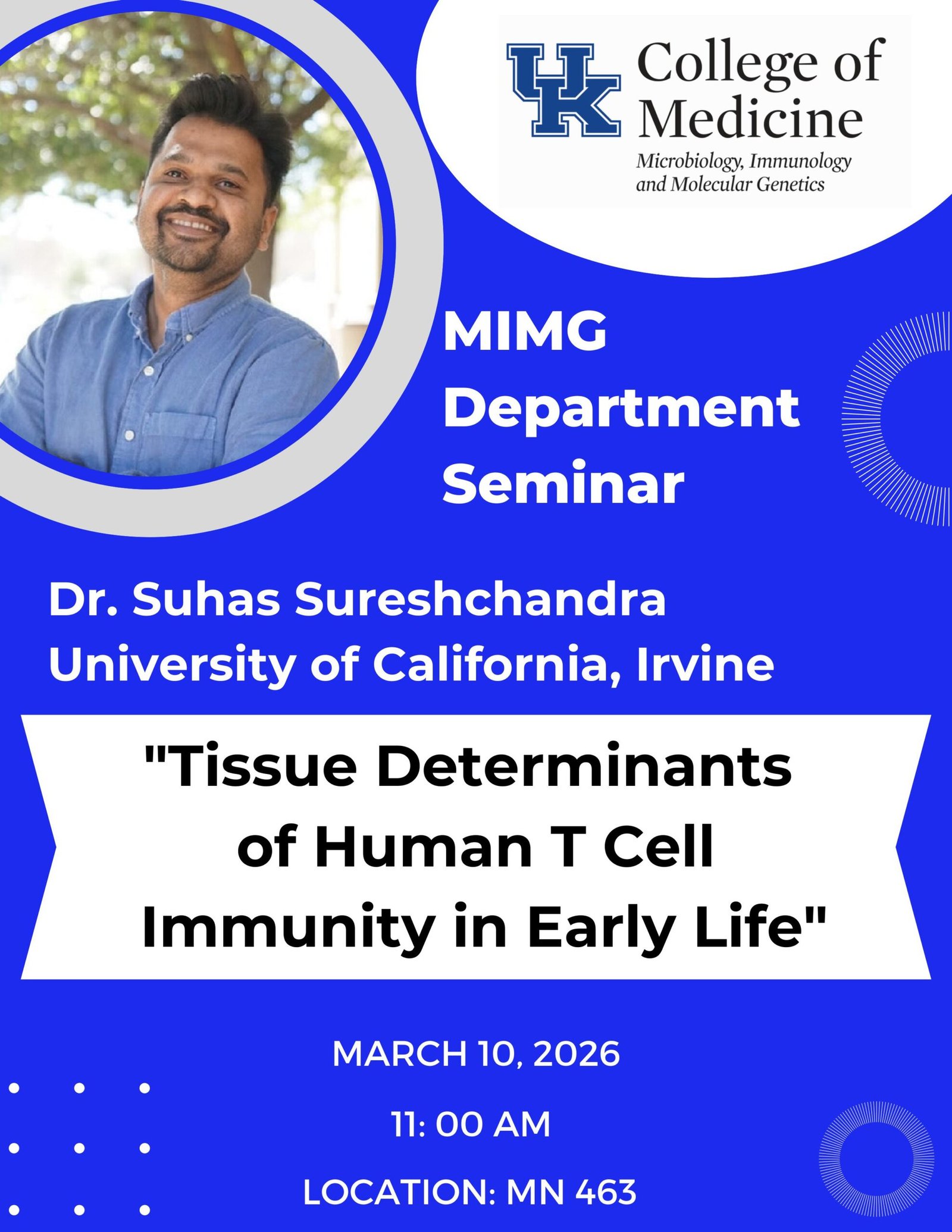
We were thrilled to welcome Dr. Suhas Sureshchandra back to the lab this week! Dr. Sureshchandra completed both his graduate work and postdoctoral training in the Messaoudi lab before joining Dr. Lisa Wager’s lab at the University of California, Irvine, where he currently continues his postdoctoral research.
During his visit to Lexington, Suhas delivered a fantastic seminar on his current work, “Tissue Determinants of Human T Cell Immunity in Early Life.” It was wonderful to see how his research has evolved and to hear about the exciting directions he’s pursuing.
There’s something special about former lab members coming back to share new stories and life updates. These are moments that remind us why collaborative science is the best science. Thanks for the visit, Suhas, and for sharing your enthusiasm!
March, 2026
Mechanisms of Rapid Immunity: Comparing Ebola Glycoprotein Variants in NHP Models
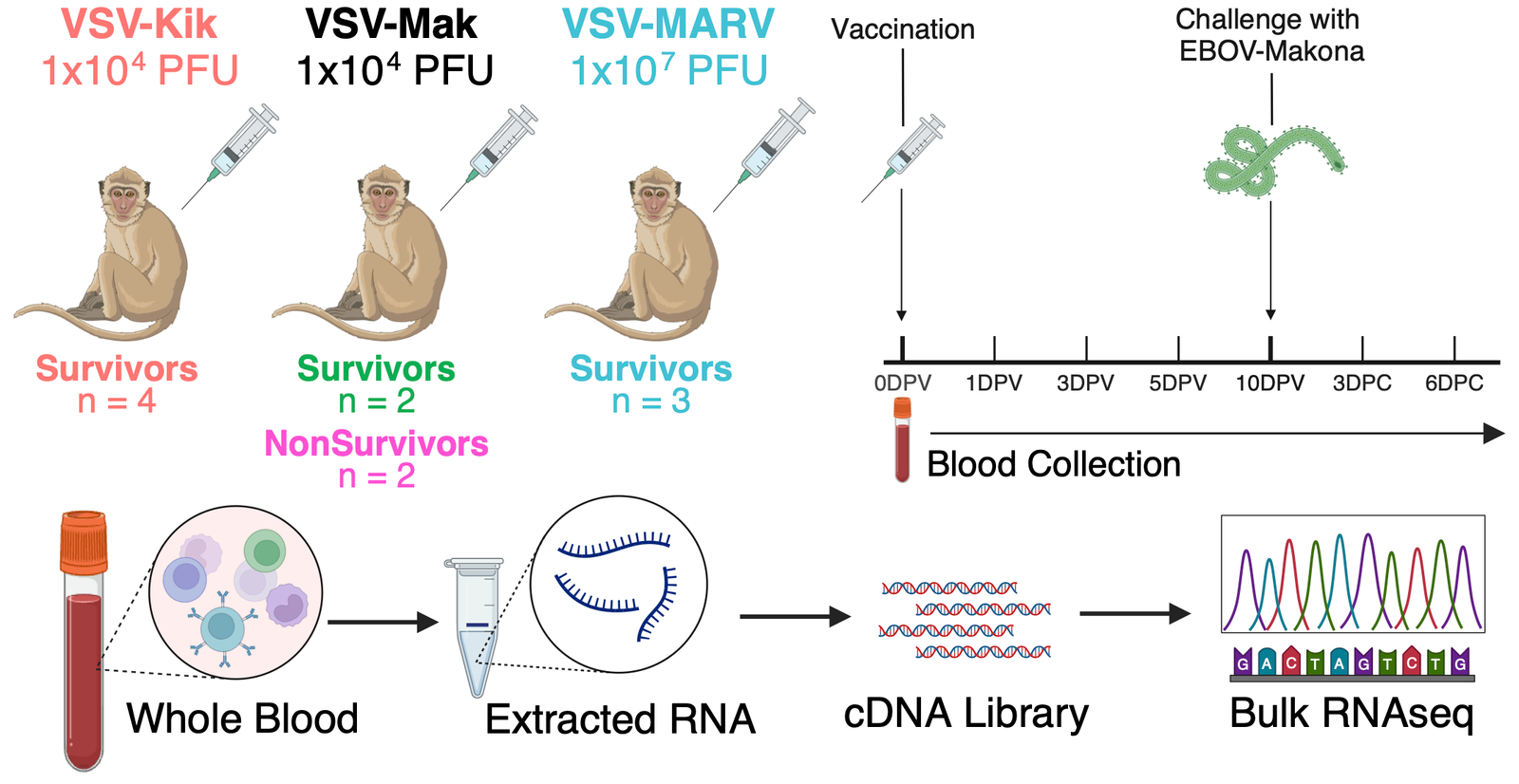
Our paper titled “Glycoprotein specific transcriptional response prompts differential vaccine protection against fatal Ebola infection” has been published in Vaccine. This study investigates how transcriptional responses differ to VSV-vectored vaccine platforms using Ebola virus glycoprotein variants, Kikwit and Makona. This work builds on the lab’s long-standing goal to understand the mechanisms underlying rapid vaccine-induced immunity against filoviruses.
March, 2026 Access article